SIMULATE (Scenario)
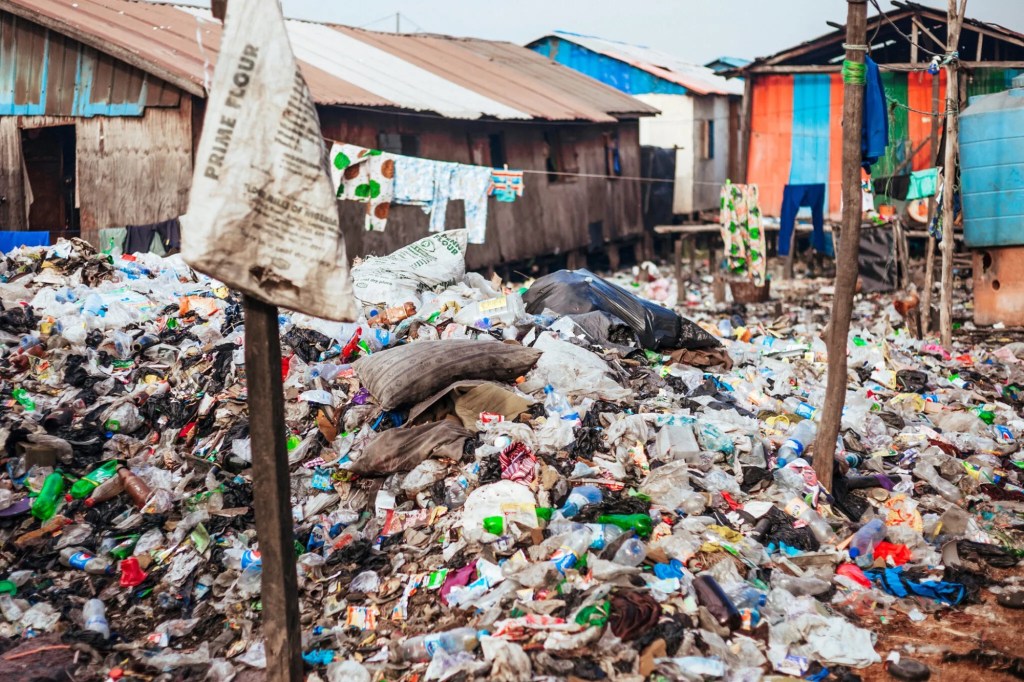
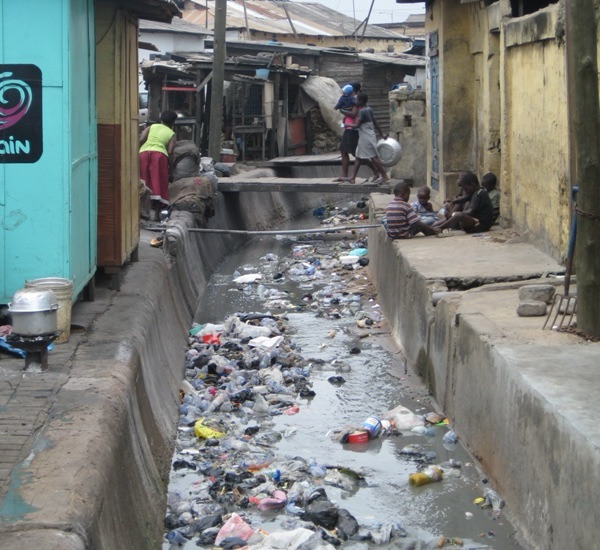
Just after sunrise in Kumasi, a taxi edges through the Asafo area. A thick stench rises from a pile of refuse left untouched for days. Plastic bottles, leftover food, broken electronics, and soiled diapers spill into the street. A schoolboy walking nearby tiptoes around a clogged gutter, only for a passing pedestrian to drop a water sachet straight into it. A brief drizzle begins, and within moments the blocked drain overflows onto the road. Nobody reacts. The taxi moves on.
What once would have alarmed us has now become an ordinary backdrop to daily life.
EXPLAIN (Background & Evidence)
Ghana’s waste-management challenge has grown into a national crisis with health, environmental, and economic implications. The country produces thousands of tons of waste every day, but municipal data consistently shows that only a limited proportion is properly collected. Major cities—Accra, Kumasi, Cape Coast, and Tamale are particularly overwhelmed by inadequate garbage collection, insufficient dumping sites, and an underdeveloped recycling industry.
Storm drains have been converted into rubbish bins. Plastic waste remains the biggest culprit, with sachet wrappers, takeaway packs, and bags choking drainage systems, especially after rainfall. This contributes directly to recurring floods, foul smells, and the spread of diseases such as cholera, typhoid, and malaria.
The economic cost is equally troubling. Flood damage disrupts businesses, ruins infrastructure, and forces assemblies to spend millions each year clearing drains that are quickly choked again. Tourism also suffers as polluted beaches and filthy streets push visitors away.
While government initiatives exist including sanitation days, contracted waste collectors, and public sanitation courts —results remain limited because systemic weaknesses persist. Many homes do not have proper bins, public awareness is inconsistent, and enforcement of sanitation laws is often weak. Above all, many citizens have become disturbingly accustomed to living in unsanitary environments.
Ghana’s worsening sanitation problem is not caused by a single institution or individual but by the breakdown of a system involving policy failures, poor enforcement, weak infrastructure, and irresponsible public behaviour.
ADVOCATE (Solutions & Call to Action)
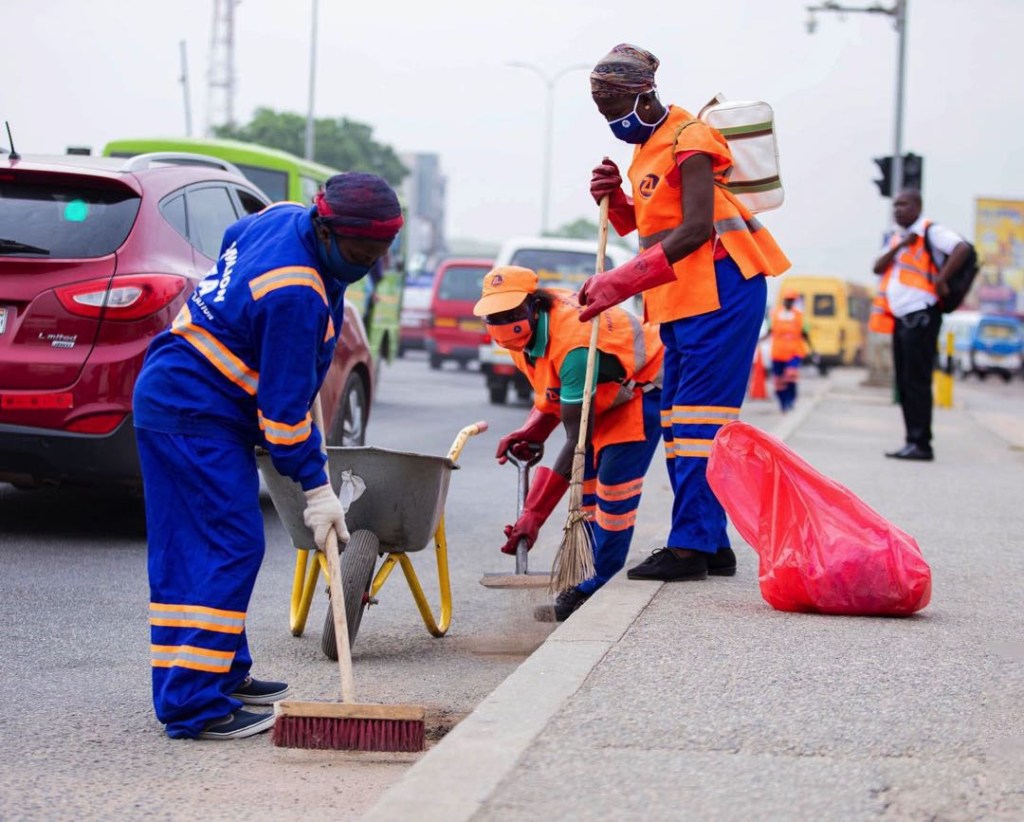
Solving the waste-management crisis demands immediate, coordinated national effort rather than occasional clean-up campaigns. The following actions are urgently needed:
1. Introduce mandatory waste sorting and strengthen recycling efforts.
Households should be required to separate plastics, organic waste, and general refuse using clearly labelled bins. Assemblies must partner with recycling companies to establish local recovery centres, offer incentives for recycling, and fine individuals or businesses that dump waste indiscriminately. Transforming waste into a valuable resource must become standard practice.
2. Upgrade drainage and waste-collection infrastructure.
Government must invest in modern drainage systems, expanded landfill and composting facilities, and technology-based collection schedules. Waste trucks should be monitored with digital tracking systems, and communities must be able to report missed pickups in real time. Desilting of drains must be done before heavy rains, not after floods occur.
3. Launch an aggressive, yearlong behavioural-change campaign backed by strict enforcement.
Ghana needs a continuous national sanitation education programme across schools, media, markets, transport hubs, and workplaces. This must be supported by firm penalties for littering, illegal dumping, and open defecation. Sanitation courts should operate consistently and visibly to deter offenders.
Tackling this crisis is not solely the responsibility of government; citizens must change their attitude toward hygiene and public spaces. If Ghana continues to tolerate filth, we risk entrenching diseases, environmental degradation, and preventable deaths.
The taxi at Asafo simply drives past the rubbish, but the country cannot afford to do the same. Ghana must confront the waste crisis now before it becomes irreversible.
 Justice Scripts
Leave a comment