• The Hidden Toll of Gold: How Illegal Mining Is Ravaging Ghana’s Communities and Environment

    Tesu Justice Mawuko

    10310016
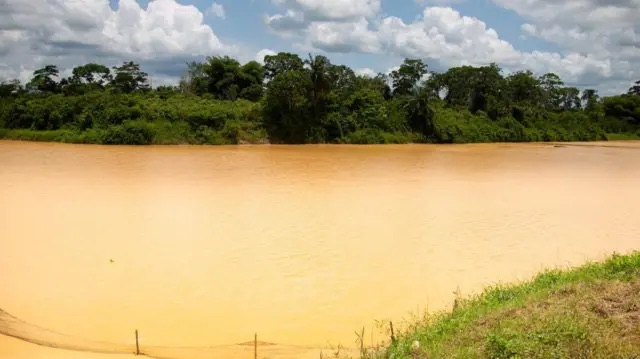
    In the quiet town of Jema, once‑pristine rivers have turned murky and unsafe. The Birim River, a lifeline for many villagers, now runs brown with silt and chemicals. Ama ankrah ,a resident, recalls bathing in and drinking from the river as a child. Today, she keeps her grandchildren away, fearing contamination. “We can no longer trust the water,” she says, shaking her head.

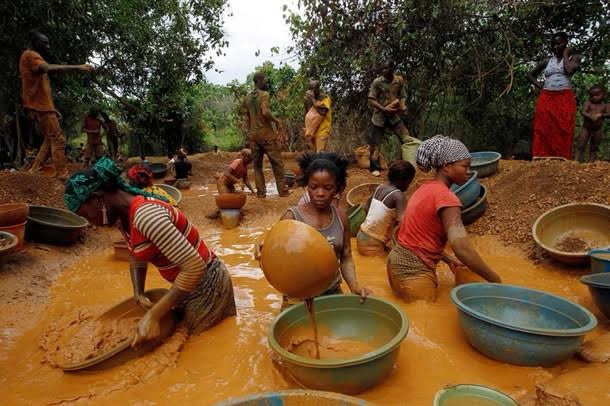
    Ama’s experience reflects a broader crisis: the scourge of “galamsey,” Ghana’s illegal small-scale gold mining. Rivers across the country including the Pra, Ankobra, Offin, and Birim are increasingly polluted. Mercury and cyanide, commonly used in these operations, seep into the water and soil, threatening both human health and agricultural livelihoods.

    Destruction of Land and Loss of Livelihoods

    Communities in Obuasi, Anyinam, and Sanso illustrate the environmental devastation. Open-pit mines gouge the land, leaving behind massive craters and infertile soil. Cocoa farms, a key source of income for many families, are being destroyed at alarming rates. Some estimates indicate that illegal mining has affected over 19,000 hectares of cocoa farmland, hitting farmers’ incomes and the national economy alike.

    Farmers in affected areas report that fertile plots have been reduced to rocky, contaminated terrain, making planting nearly impossible. The widespread deforestation and degradation not only destroy crops but also reduce biodiversity and destabilize local ecosystems.

    Health Hazards for Local Communities

    The human cost of galamsey is equally severe. Villagers living near mining sites are increasingly exposed to mercury poisoning, skin ailments, respiratory issues, and other chronic health problems. Contaminated water and crops have also introduced toxins into local diets, posing long-term health risks. The Environmental Protection Agency has repeatedly raised alarms about the dangers posed by unregulated mining to both human and ecological health.

    Economic Impact: Short-Term Gains, Long-Term Losses

    For many local residents, illegal mining offers a quick source of income. Up to one million Ghanaians are reportedly engaged in small-scale mining, though only a fraction operate legally. While miners may earn money temporarily, the broader economic consequences are dire.

    Illegal mining reduces tax revenue for the state and increases the cost of environmental clean-up. The Ghana Water Company has, in some cases, been forced to shut down water pumping stations because contamination makes water treatment prohibitively expensive. The cumulative effect is significant: damaged farmland, compromised food security, and lost national revenue.

    Voices From the Ground
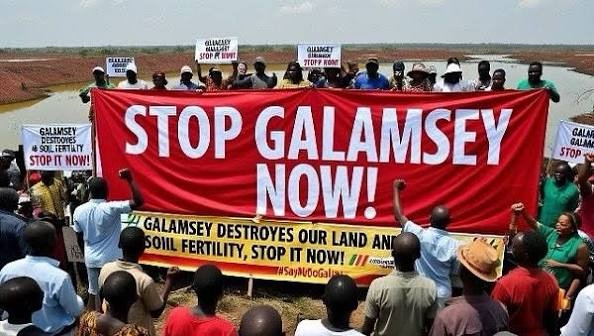
    In mining-affected communities such as Akyem Mampong and Atiwa East, elders and farmers express frustration over the lack of inclusion in legal mining processes. Community leaders like Nana Ansah Sasraku Ofram II emphasize that locals are powerless while outsiders exploit their land. Some miners, aware of the environmental damage, call for formalization and regulation to prevent further destruction.

    Residents in Jema have begun forming community patrols to monitor illegal sites, report violations, and advocate for sustainable mining practices. Their efforts highlight the potential for local solutions to complement government interventions.

    Toward Sustainable Solutions

    Addressing the crisis requires coordinated strategies that balance livelihoods with environmental protection:

    1. Formalization of Artisanal Mining: Registering and training small-scale miners can ensure safer, environmentally friendly practices while generating tax revenue.

    2. Rehabilitation of Damaged Sites: Governments and NGOs can lead reclamation projects to restore contaminated rivers, reforest degraded land, and rehabilitate farmland.

    3. Technology-Driven Monitoring: Deploying drones, satellite imagery, and sensors can help authorities detect illegal mining activity in real time and respond promptly.

    4. Alternative Livelihoods: Investing in sustainable agriculture, eco-tourism, and other non-mining opportunities can reduce community dependence on illegal mining for income.

    Conclusion

    Ghana’s gold wealth is accompanied by a heavy human and ecological cost. Poisoned rivers, decimated farmland, and communities struggling to survive reveal the dark side of illegal mining. While immediate enforcement actions are necessary, long-term solutions lie in regulation, community empowerment, and sustainable development. With careful planning and committed action, Ghana can preserve both its natural environment and the well-being of its citizens while still benefiting from its mineral wealth.
  • Mandatory Haircuts in Ghanaian SHSs: Discipline or Denial of Identity?

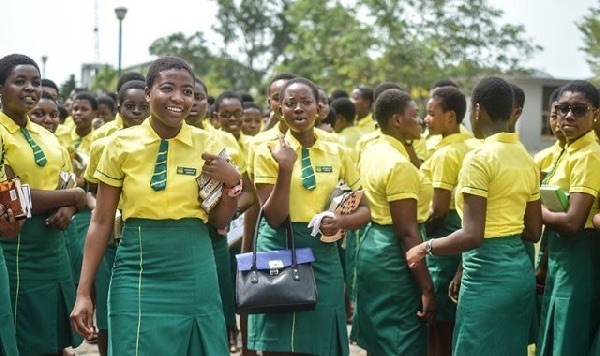
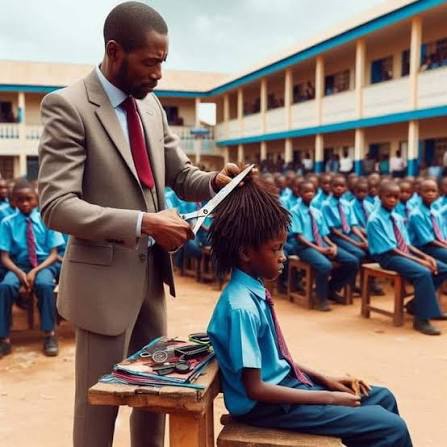
    The debate over Ghana’s “no long hair” policy for Senior High School (SHS) students continues to spark controversy. Government officials argue that the policy instills discipline and fosters proper character development, yet critics maintain that it infringes on students’ cultural and personal expression. While maintaining order in schools is important, the mandatory haircut policy risks violating students’ rights, dignity, and individuality, and requires thoughtful reconsideration.

    Why the Policy Raises Concerns

    The rule disproportionately affects students particularly girlswho wear their hair naturally or according to cultural or religious customs. A widely circulated video showed a first-year girl at Yaa Asantewaa Girls’ SHS in tears as her long hair was cut upon admission. This incident highlights how deeply personal and emotional the issue is, far beyond the question of uniformity.

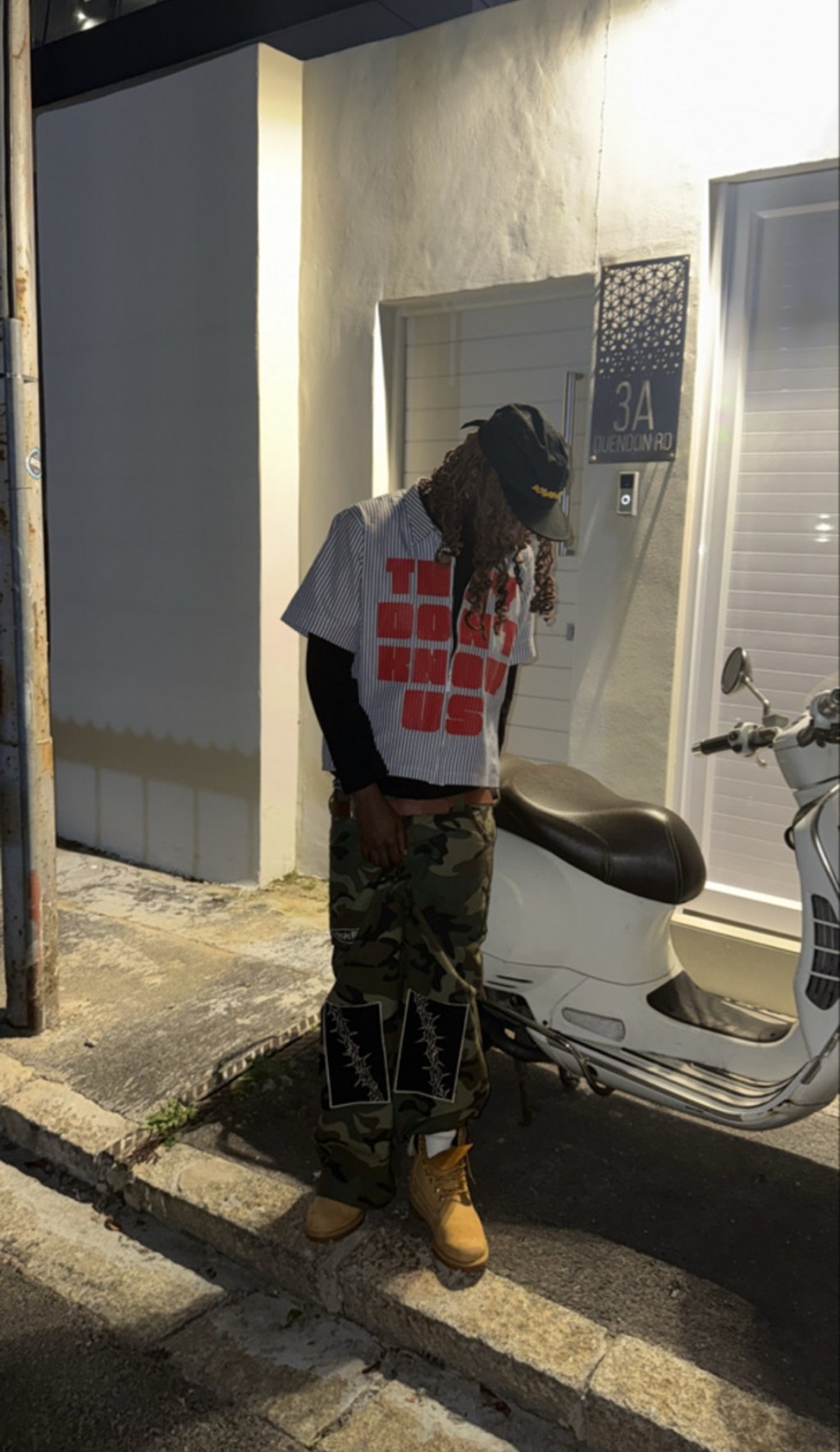
    Religious and cultural freedoms are also at stake. The case of Tyrone Marhguy, a Rastafarian student denied entry to Achimota School due to his dreadlocks, underscores the tension between grooming rules and freedom of expression. Enforcing a uniform standard without accommodating diverse cultural practices risks erasing aspects of students’ identities passed down through family, tribe, or faith.

    Moreover, the policy reflects a top-down, authoritarian approach to discipline. Many SHS haircut rules are not formally codified by the Ghana Education Service (GES) but are enforced at the discretion of school administrators, leaving room for arbitrary punishment and inconsistent application.

    Arguments in Support and Their Limitations

    Proponents claim the policy promotes hygiene, safety, and discipline. Education Minister Haruna Iddrisu has stated that schools are not venues for beauty contests, warning that relaxing the hair rules could lead to laxity in other areas, such as dress or conduct.

    Another justification is that parents implicitly agree to these rules when enrolling their children in public SHSs. Counselor Frank Edem Adofoli asserts that parents understand the expectations regarding uniforms and grooming. While this logic has some merit, it does not account for the psychological distress, social stigma, or identity suppression that students experience under strict conformity.

    Counterarguments and Rebuttals

    Counterargument 1: Mandatory haircuts are necessary for hygiene and safety.

    Rebuttal: Experts, including former Education Minister Dr. Yaw Osei Adutwum, argue that hair policies should prioritize hygiene rather than appearance or control. Long or styled hair does not inherently compromise health or safety if properly managed for instance, tied back or neatly maintained.

    Counterargument 2: Strict grooming enforces order and discipline.

    Rebuttal: While discipline is essential, it should not override students’ rights. Many current rules lack formal legal backing, making enforcement arbitrary. GNAT President Rev. Isaac Owusu has emphasized that any strict grooming directive should have parliamentary support to avoid misuse of authority.

    Recommendations for Reform

    To balance school discipline with students’ rights, the following measures are recommended:

    Legal Clarity: The government should codify clear, fair grooming guidelines that prioritize hygiene and safety rather than aesthetics, ensuring administrators cannot enforce rules arbitrarily. Inclusive Policy Development: Engage students, parents, and cultural or religious organizations when creating grooming policies, reflecting Ghana’s diversity and respecting identity. Flexible Standards: Allow hairstyles that are neat, safe, and culturally appropriate rather than imposing blanket bans. Periodic inspections can enforce rules without forced haircuts. Counseling and Awareness: Offer orientation and counseling programs to help students understand policy goals while encouraging self-respect and cultural expression.

    Conclusion

    While the intention behind Ghana’s mandatory haircut policy may be to instill discipline, it risks undermining students’ individuality, cultural identity, and dignity. Discipline should not come at the cost of personal freedom. By legislating inclusive, lawful, and culturally sensitive grooming standards, Ghanaian SHSs can uphold order without erasing the voices and identities of their students. Schools should be spaces for growth, learning, and self-expression not strict conformity

  • On a quiet evening at the University of Ghana, Legon, first-year student Ama (not her real name) sat beneath a flickering streetlamp, scrolling anxiously through hostel listings on her phone. She had expected to budget for textbooks and tuition, not to be shocked by the soaring cost of campus accommodation. The official notice from Ghana Hostels Limited showed that a four-person room in Pent Hall would cost GHS 6,663, leaving her and many other students scrambling to make ends meet.

    Ama’s predicament is far from unusual. Across Ghana’s major universities, students face a deepening accommodation crisis: insufficient on campus spaces, rising rents, and substandard private hostels are forcing many to make difficult choices.

    The Reality Behind Rising Costs

    Recent figures show that rates for Pent Hall have surged dramatically over the past few years. For example, a single air-conditioned room is now listed at GHS 40,329, up from GHS 24,362 two years ago. Even the lowest-cost option a shared four-person room is now GHS 7,492, up from GHS 4,928 just last year. (pulse.com.gh)

    Such increases have drawn criticism from lawmakers and the public. Dr. Clement Apaak, a Member of Parliament, has questioned how families with limited incomes can afford these fees and what happens to students from less privileged backgrounds.

    Off-campus housing offers little relief. At KNUST, private hostels can cost anywhere from GHS 2,000 to over GHS 5,000 per year. AFD reports indicate that off-campus accommodation can sometimes be up to 14 times more expensive than the cheapest on-campus options, leaving students with few affordable alternatives.

    Life Behind Closed Doors

    Simulated interviews reveal the daily struggles students endure:

    • Nana, a second-year KNUST student, shares a tiny Bomso apartment with three roommates, squeezed into a room barely larger than a classroom desk. Recent rent hikes have made the situation even more stressful.

    • Yaw, a final-year student at Legon, was unable to secure campus housing due to cost and now commutes two hours daily, spending much of his stipend on transport.

    • Adjoa, a first-year student, missed out on the campus ballot system and ended up in a distant hostel with unreliable electricity and water, making studying at night a challenge.

    These personal accounts echo research showing that some students spend more on rent than on tuition, a trend that affects their academic focus and overall well-being.

    Impact on Academic Performance and Well-Being

    Housing insecurity has real consequences. Commuting students often arrive at class exhausted, while those in overcrowded or poorly serviced hostels struggle to find quiet study spaces. The stress of paying high rents, sharing cramped quarters, or dealing with erratic utilities contributes to anxiety, sleep deprivation, and lower academic performance. For many, these challenges are compounded by the pressure of adjusting to university life away from home.

    Proposed Solutions

    Addressing the student housing crisis requires coordinated action:

    1. Expand On-Campus Housing

    Government and universities should invest in building more affordable, quality hostels, potentially through public-private partnerships.

    2. Implement Fair Rent Policies

    Transparent, regulated pricing for both campus and private hostels can protect students from sudden, unaffordable fee increases.

    3. Improve Housing Information Access

    Universities could maintain online platforms listing verified hostels, landlords, and current rents to prevent exploitation by middlemen.

    4. Support Off-Campus Students

    Subsidized transport and dedicated study spaces on campus could help those who cannot afford on-campus accommodation.

    Conclusion

    Ama’s quiet vigil under a streetlamp is emblematic of a larger problem affecting students nationwide. When housing costs rival tuition or exceed monthly stipends, the academic journey becomes a battle against stress and exhaustion. Ghana’s universities, policymakers, and private investors must act decisively to ensure students have access to safe, affordable, and adequate housing because a quality education begins with a place to call home.

  • Walk into any university lecture hall or hostel in Ghana, and you’ll see a familiar scene: students glued to their phones, scrolling through Instagram, TikTok, WhatsApp, or Twitter. Social media is no longer just entertainment it has become a defining feature of youth life. Yet its influence is complicated, offering both benefits and drawbacks, making it a true double-edged sword.

    The Positive Side

    Social media can be a powerful tool for learning, networking, and personal growth. Platforms like YouTube, LinkedIn, and Twitter provide access to educational resources, career guidance, and tutorials that might not be available elsewhere. I have observed students using WhatsApp study groups to share notes, discuss assignments, and clarify difficult topics outside the classroom. During the COVID-19 pandemic, social media played a critical role, enabling students to attend online lectures, collaborate remotely, and continue learning when traditional classrooms were unavailable.

    Beyond academics, these platforms help young people expand their networks, connect with peers worldwide, and engage in social causes. Campaigns on climate change, mental health awareness, and gender equality gain visibility and momentum through social media, empowering youth to express themselves and drive change. Many students also develop creativity, digital literacy, and civic awareness by using these platforms responsibly.

    The Negative Side

    However, social media comes with significant downsides. Distraction is perhaps the most obvious. Students can spend hours endlessly scrolling or watching videos, often at the expense of study time. Studies in Ghana and internationally indicate that excessive social media use is linked to lower grades, sleep deprivation, and reduced concentration.

    It can also strain personal relationships. Online interactions sometimes replace face-to-face communication, weakening social skills and creating misunderstandings. Exposure to unrealistic lifestyles, peer pressure, or cyberbullying can harm mental health, self-esteem, and social values. I recall a friend admitting to skipping lectures to stay online after seeing peers “having fun,” a clear example of how social media can distort priorities and judgment.

    A Double-Edged Sword

    The reality is that social media is neither entirely good nor entirely bad. Its impact depends on how individuals use it. For youth, it can be an educational, creative, and empowering tool but unchecked, it can distract, harm relationships, and negatively affect mental health and academic performance.

    A Call for Responsible Use

    Universities, parents, and students themselves must promote balanced usage. Institutions could offer digital literacy programs and mental health guidance to help students manage screen time. Youth should consciously use social media for learning, networking, and constructive engagement, while limiting passive scrolling. If approached responsibly, social media can become a partner in personal and academic growth rather than a stumbling block.

    In the end, social media will continue to shape the lives of Ghanaian youth. The question is not whether it exists it’s whether we use it wisely. By embracing its benefits and controlling its risks, young people can turn this double-edged sword into a tool for progress, rather than a distraction from it.

  • Walk across any university campus in Ghana, and the scene is familiar. Students hurry to lectures, walk alone with earbuds in, or slump on benches with weary expressions. At first glance, it may seem like normal academic stress, but a closer look reveals deeper, often invisible struggles with mental health battles many students keep private.

    Over time, it becomes clear how pervasive these issues are. Friends, classmates, and acquaintances quietly wrestle with challenges that go far beyond exams and assignments. Conversations, casual observations, and late-night study sessions reveal the toll that mental health difficulties are taking on Ghanaian students.

    Anxiety: The Pressure Never Ends

    Many students live under constant anxiety. The fear of failing courses, letting down families, or losing scholarships keeps them in a state of heightened stress. Some panic during exam periods, while others struggle with racing thoughts at any academic checkpoint. The competitive atmosphere on campus where grades are equated with future opportunities intensifies the pressure.

    As one student described it: “It feels like I’m running a race that never stops, and I don’t know what happens if I slow down.” Anxiety like this affects concentration, memory, and overall academic performance.

    Depression: The Silent Struggle

    Depression is another widespread but often hidden challenge. It may manifest in students withdrawing socially, missing lectures, or appearing constantly exhausted. Many continue to push themselves to keep up because showing vulnerability is often stigmatized on campus.

    Social media adds another layer of difficulty. Students compare themselves to peers who appear to be thriving, which worsens feelings of inadequacy and isolation. Without proper support, depression not only affects academic work but also overall well-being.

    Burnout: The Cost of Overload

    Burnout affects countless students juggling lectures, assignments, part-time jobs, family responsibilities, and social commitments. Constant overwork leaves them emotionally and physically drained.

    I once saw a classmate fall asleep while standing during a presentation a clear sign of exhaustion rather than laziness. Burnout can lead to declining grades, absenteeism, and loss of interest in learning.

    Why Universities Must Act

    These mental health struggles are not individual shortcomings they reflect a systemic issue that universities must address. Academic success is difficult when students are mentally overwhelmed. Stress, depression, and burnout directly reduce learning, memory retention, and classroom engagement.

    Left unaddressed, mental health challenges can increase dropout rates, lower performance, and even cause long-term emotional harm. Alarming incidents of self-harm and suicide on campuses highlight the urgency of this issue.

    Universities must implement practical measures. Accessible counseling services staffed with trained professionals should be standard, not optional. Mental health awareness should be part of orientation programs, classroom discussions, and hall meetings. Lecturers should be trained to recognize signs of distress, and campuses must foster stigma-free environments where students feel safe seeking help.

    University life will always come with challenges, but no student should have to fight these battles alone. Ghana’s campuses are home to talented young people quietly struggling with mental health issues. Listening, supporting, and building strong institutional mental health systems is no longer optional it is essential.

  • Opinion Piece: Ghana’s Waste Crisis A National Disaster in Slow Motion

    SIMULATE (Scenario)

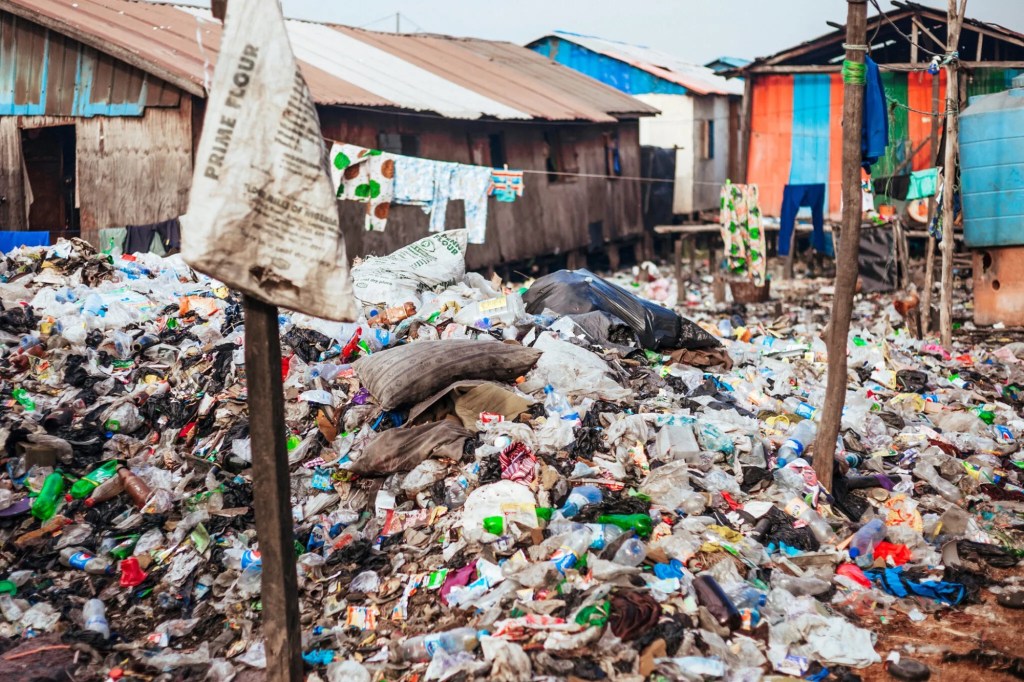
    Just after sunrise in Kumasi, a taxi edges through the Asafo area. A thick stench rises from a pile of refuse left untouched for days. Plastic bottles, leftover food, broken electronics, and soiled diapers spill into the street. A schoolboy walking nearby tiptoes around a clogged gutter, only for a passing pedestrian to drop a water sachet straight into it. A brief drizzle begins, and within moments the blocked drain overflows onto the road. Nobody reacts. The taxi moves on.

    What once would have alarmed us has now become an ordinary backdrop to daily life.

    EXPLAIN (Background & Evidence)

    Ghana’s waste-management challenge has grown into a national crisis with health, environmental, and economic implications. The country produces thousands of tons of waste every day, but municipal data consistently shows that only a limited proportion is properly collected. Major cities—Accra, Kumasi, Cape Coast, and Tamale are particularly overwhelmed by inadequate garbage collection, insufficient dumping sites, and an underdeveloped recycling industry.

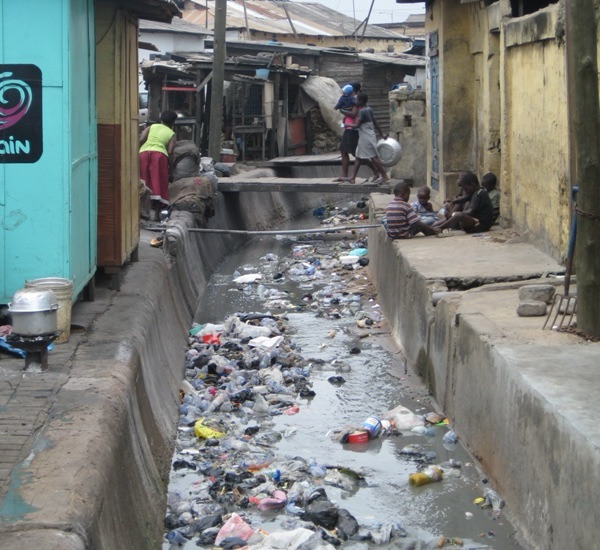
    Storm drains have been converted into rubbish bins. Plastic waste remains the biggest culprit, with sachet wrappers, takeaway packs, and bags choking drainage systems, especially after rainfall. This contributes directly to recurring floods, foul smells, and the spread of diseases such as cholera, typhoid, and malaria.

    The economic cost is equally troubling. Flood damage disrupts businesses, ruins infrastructure, and forces assemblies to spend millions each year clearing drains that are quickly choked again. Tourism also suffers as polluted beaches and filthy streets push visitors away.

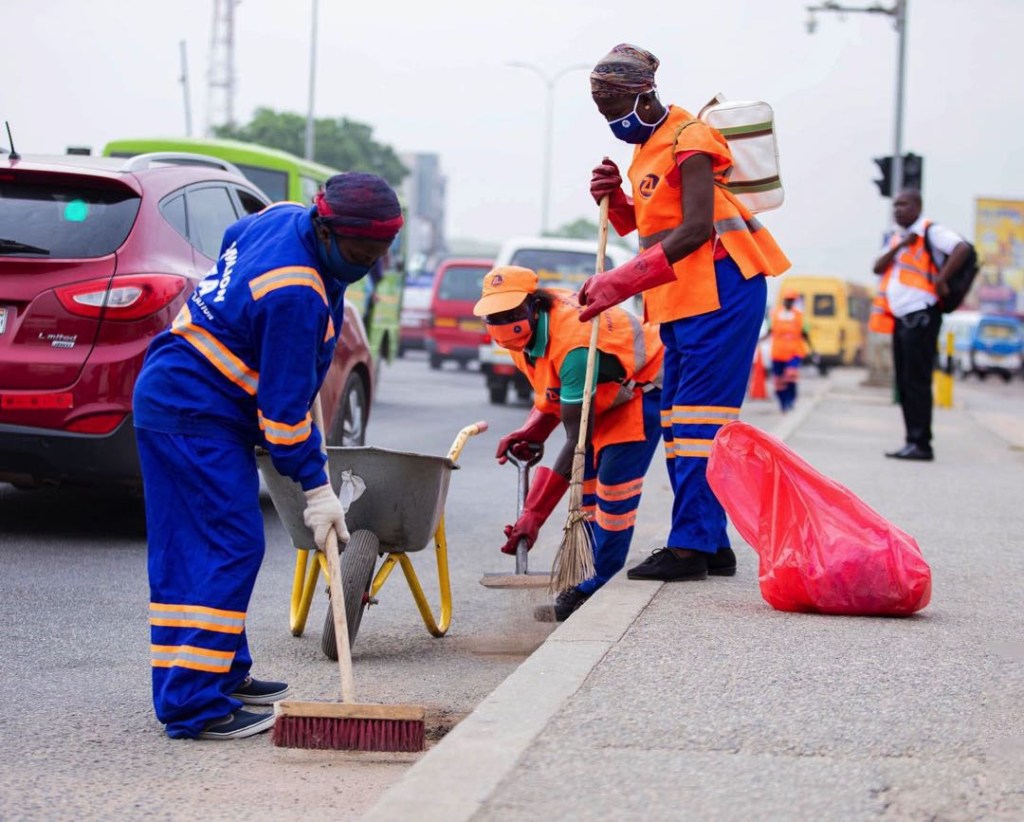
    While government initiatives exist including sanitation days, contracted waste collectors, and public sanitation courts —results remain limited because systemic weaknesses persist. Many homes do not have proper bins, public awareness is inconsistent, and enforcement of sanitation laws is often weak. Above all, many citizens have become disturbingly accustomed to living in unsanitary environments.

    Ghana’s worsening sanitation problem is not caused by a single institution or individual but by the breakdown of a system involving policy failures, poor enforcement, weak infrastructure, and irresponsible public behaviour.

    ADVOCATE (Solutions & Call to Action)

    Solving the waste-management crisis demands immediate, coordinated national effort rather than occasional clean-up campaigns. The following actions are urgently needed:

    1. Introduce mandatory waste sorting and strengthen recycling efforts.

    Households should be required to separate plastics, organic waste, and general refuse using clearly labelled bins. Assemblies must partner with recycling companies to establish local recovery centres, offer incentives for recycling, and fine individuals or businesses that dump waste indiscriminately. Transforming waste into a valuable resource must become standard practice.

    2. Upgrade drainage and waste-collection infrastructure.

    Government must invest in modern drainage systems, expanded landfill and composting facilities, and technology-based collection schedules. Waste trucks should be monitored with digital tracking systems, and communities must be able to report missed pickups in real time. Desilting of drains must be done before heavy rains, not after floods occur.

    3. Launch an aggressive, yearlong behavioural-change campaign backed by strict enforcement.

    Ghana needs a continuous national sanitation education programme across schools, media, markets, transport hubs, and workplaces. This must be supported by firm penalties for littering, illegal dumping, and open defecation. Sanitation courts should operate consistently and visibly to deter offenders.

    Tackling this crisis is not solely the responsibility of government; citizens must change their attitude toward hygiene and public spaces. If Ghana continues to tolerate filth, we risk entrenching diseases, environmental degradation, and preventable deaths.

    The taxi at Asafo simply drives past the rubbish, but the country cannot afford to do the same. Ghana must confront the waste crisis now before it becomes irreversible.

  • Ghana has established numerous bodies such as the Ghana Police Service, CHRAJ, EOCO, and the Office of the Special Prosecutor specifically to curb corruption and strengthen public accountability. However, national and international assessments still show minimal progress. Ghana’s ranking on major anti-corruption indices has remained largely unchanged, reflecting persistent weaknesses in the country’s governance framework.

    From an institutional standpoint, corruption continues to thrive not because of a lack of agencies, but because the systems supporting these institutions are structurally weak and often poorly coordinated. A closer evaluation of these agencies reveals why the fight against corruption is far from being won.

    Why Corruption Persists

    1. Mandate Confusion and Institutional Competition

    Ghana’s anti-corruption bodies operate within mandates that frequently intersect. Confusion over which institution should handle specific cases has resulted in duplication, delays, and unresolved investigations. Overlaps between CHRAJ, the OSP, EOCO, and the Police often lead to bureaucratic conflict rather than efficient case handling.

    2. Inadequate Funding and Technical Limitations

    Most anti-corruption agencies work with limited resources. Insufficient funding, inadequate staffing, and lack of forensic tools hinder their ability to pursue complex investigations. Agencies such as CHRAJ and the OSP have consistently highlighted resource gaps that limit their operational strength.

    3. Slow Investigations and Low Prosecution Rates

    Several high-profile investigations have been initiated over the years, yet only a few have advanced to full prosecution. The slow pace of justice and the perception of selective enforcement weaken public confidence. Cases involving procurement irregularities, payroll fraud, and misuse of public office often remain unresolved for long periods.

    4. Weak Collaboration Among Agencies

    Anti-corruption work requires seamless cooperation, but Ghana’s institutions often function independently without coordinated investigation strategies. This lack of inter-agency communication undermines evidence gathering, delays case progression, and weakens prosecutorial outcomes.

    5. Vulnerable Public Financial Management Systems

    Irregularities in procurement, payroll management, and internal audits continue to expose loopholes exploited by corrupt actors. The recurrence of ghost names on public payrolls and questionable contract awards point directly to weak preventive measures rather than enforcement failure alone.

    Evaluating Institutional Performance

    Office of the Special Prosecutor (OSP)

    The OSP has introduced transparency through its public reports and asset recovery efforts. However, its overall impact remains limited due to legal challenges, overlapping mandates, and restricted operational resources.

    EOCO

    EOCO has handled several financial and economic crime cases successfully. Nonetheless, it still needs stronger technological tools and better collaboration with prosecutors to convert investigations into convictions consistently.

    CHRAJ

    CHRAJ’s constitutional authority covers human rights, administrative justice, and anti-corruption. Though it offers important oversight, its ability to undertake large-scale investigations is constrained by budget and staffing shortages.

    Ghana Police Service

    The Police Service serves as the frontline investigative body. However, corruption-related cases often require specialised forensic expertise that the service does not consistently possess. Public concerns about partiality also weaken institutional trust.

    Recommendations for Strengthening Accountability

    1. Streamline Mandates and Improve Legal Clarity

    A national review should define clear operational boundaries for the OSP, CHRAJ, EOCO, and the Police. Eliminating overlapping duties and establishing clear referral systems will reduce internal conflicts and enhance investigative efficiency.

    2. Increase Technical Capacity and Resource Allocation

    Agencies need stable, adequate funding and modern investigative tools. Investment in forensic laboratories, digital evidence systems, and specialised investigative training will significantly improve the quality of corruption cases.

    3. Strengthen Preventive Mechanisms in Public Finance

    Mandatory e-procurement, stricter payroll audits, digital verification of public employees, and automated procurement systems will reduce opportunities for corruption before they occur.

    4. Build Strong Inter-Agency Collaboration Frameworks

    Joint task forces, shared databases, and coordinated investigative timelines will improve efficiency, reduce duplication, and allow complex cases to move faster through the system.

    5. Safeguard Institutional Independence

    Strengthening legal protections against political interference especially regarding funding, appointments, and dismissals will enhance public confidence in anti-corruption agencies.

    Conclusion

    Ghana’s anti-corruption institutions play essential roles, yet their collective impact is weakened by structural flaws, resource constraints, and insufficient collaboration. Reforming these weaknesses is critical. With clearer mandates, improved preventive controls, enhanced technical capacity, and stronger institutional independence, Ghana can make meaningful progress toward reducing corruption and reinforcing public trust in state institutions.

  • Ghana’s education sector is at a decisive moment. While the nation has made significant strides in expanding access to schooling, the substance of what students learn has not kept pace with the demands of contemporary society. As an institution committed to national development, we maintain that the current curriculum requires a thorough and strategic overhaul to better prepare learners for the complex world they are entering.

    Curriculum Structure That No Longer Serves Today’s Realities

    A major shortcoming of the existing curriculum is its continued reliance on memorisation and examinationbased teaching practices. Learners are guided to master content for tests rather than acquire skills for life. As a result, essential competencies such as analytical reasoning, creativity, innovation, and the ability to apply knowledge are insufficiently developed. Much of the curriculum content remains outdated, presenting information that does not adequately reflect current scientific advancements, social dynamics, or global economic patterns.

    Additionally, the present structure offers limited opportunities for integrated learning. Subjects exist in isolation, even though real-world challenges require learners to draw knowledge from multiple disciplines.

    Weak Alignment With Labour-Market Needs

    There is a widening disconnect between classroom learning and employment requirements. Employers consistently highlight the lack of job-ready skills among young graduates. Industries across Ghana ranging from agriculture and manufacturing to ICT and the creative sector are evolving quickly, yet the curriculum has not adapted to reflect these changes. Consequently, students leave school with academic credentials but without the competencies needed to excel in modern workplaces.

    The marginalisation of technical and vocational education further compounds this problem. TVET pathways are introduced late and insufficiently integrated, leaving many learners unaware of practical career options that could support both personal growth and national productivity.

    Limited Emphasis on Digital Competence

    As Ghana strives toward digital transformation, the curriculum has not kept up. ICT lessons remain largely theoretical, with minimal hands-on exposure to digital tools, coding, data usage, and online communication. This gap was starkly revealed during the COVID-19 pandemic, when many students struggled to engage with digital learning platforms due to both inadequate infrastructure and limited ICT skills.

    Pathways for Meaningful Reform

    To reposition education as a catalyst for national development, the curriculum must undergo deliberate and evidence based transformation. The following reforms are essential:

    1. Adopt a Competency Based Framework:

    Learning should prioritise skills application over memorisation. Competency-based approaches, already yielding positive outcomes in comparable African countries, foster active learning and long-term retention.

    2. Strengthen Digital Education:

    Foundational digital literacy must be mandatory across all levels of schooling. Partnerships with ICT organisations and the establishment of well resourced digital hubs will ensure practical exposure for all learners.

    3. Elevate and Integrate TVET:

    Technical and vocational education must be mainstreamed, not sidelined. Early introduction, collaboration with industries, and hands-on training will help bridge Ghana’s persistent skills gap.

    4. Regularly Update Curriculum Content:

    Continuous review cycles are needed to keep subject matter relevant and responsive to emerging trends in science, culture, and national development.

    5. Introduce Media and Information Literacy:

    Equipping learners with the ability to critically evaluate media content is essential in today’s information-saturated environment. Such skills support informed citizenship and responsible digital behaviour.

    6. Invest in Teacher Capacity:

    No reform can succeed without empowering teachers. Ongoing professional development, particularly in digital skills and modern pedagogy, is crucial for effective curriculum delivery.

    Conclusion

    A curriculum that reflects past realities cannot shape the future Ghana aspires to build. Comprehensive curriculum reform is vital to cultivating learners who are adaptable, innovative, and capable of contributing meaningfully to national progress. Collaboration among policymakers, educators, industry partners, and communities will be vital in achieving this transformation.

    Ghana’s next phase of development depends on an education system equipped for the challenges of the 21st century. The moment for reform is both urgent and unavoidable.

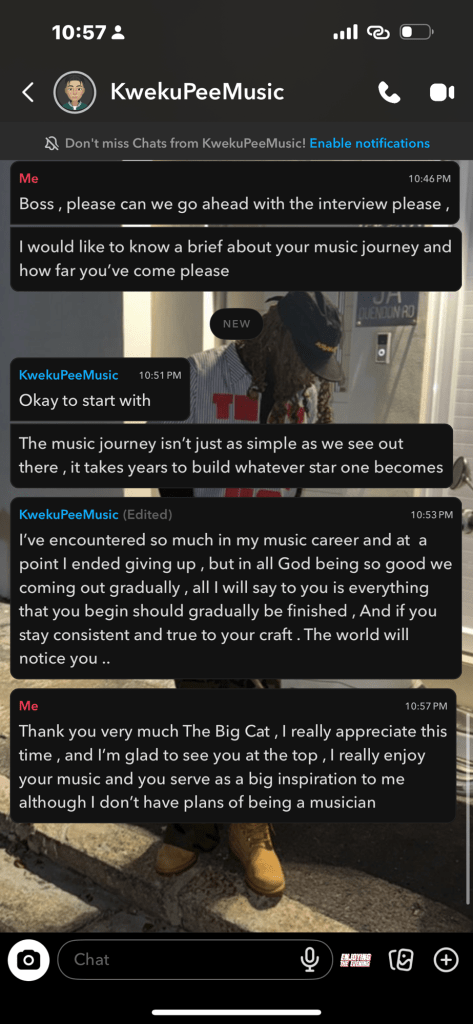
  • An Inspiring Conversation with Kweku Pee — The Future of Afro Fusion

    Last weekend, I had the pleasure of sitting down with one of Ghana’s most promising rising stars, Kweku Pee.there was an easy calm about him the kind that comes from someone who truly knows his purpose. Our conversation was warm, honest, and filled with insight into the journey of a young artist determined to make his mark.

    Kweku Pee shared how his love for music started in the church choir, where he discovered not just his voice but the power of storytelling through song. What began as youthful curiosity has now become his life’s mission to blend traditional Ghanaian rhythms with modern sounds that speak to a global audience.

    Of course, the journey hasn’t been all smooth. Kweku Pee spoke candidly about the challenges of gaining recognition as an upcoming artist in a competitive industry. Still, his outlook remains optimistic. “If you stay consistent and true to your craft, the world will notice,” he told me with quiet confidence.

    Looking ahead, Kweku Pee’s ambitions reach far beyond Ghana. He dreams of performing on international stages, collaborating with artists across Africa and beyond, and building a legacy that will inspire the next generation. “I don’t just want to make hits,” he said. “I want to make history

  • A Reflective Essay on My Experience at the University of Professional Studies, Accra (UPSA)

    My time at the University of Professional Studies, Accra (UPSA) has been a remarkable blend of academic advancement, personal growth, and social exploration. From the very first day I stepped onto campus carrying a mix of excitement and nervous anticipation I sensed that this chapter would profoundly shape my life. Reflecting on the journey so far, I can confidently describe it as a tapestry of highs and lows, each moment whether good, challenging, or difficult leaving an enduring mark on the person I am becoming.

    First of all ,One of the most fulfilling aspects of my time at UPSA has been the academic rigour and the opportunities to grow intellectually. The structure of the curriculum, the dedication of some of the lecturers, and the emphasis on professionalism have sharpened my critical thinking and communication skills

    Secondly I’ve had Stress and Academic Pressure.While the academic environment has been beneficial, it hasn’t been without challenges. One of the most difficult parts of being a student at UPSA is managing the intense workload, especially during exam periods and when assignments pile up unexpectedly. I recall one semester where I had three major assignments due in the same week, followed by back-to-back quizzes. Balancing all of this, along with my part-time internship, pushed me to the brink of burnout.

    Another challenge was the occasional inconsistency in communication between some departments and students. For example, sudden timetable changes or delayed publication of examination results sometimes caused unnecessary anxiety and confusion among students.

    Also a lecture I got into an examination malpractice which I was punished by the board of examination, I was called to the disciplinary committee to be questioned which my paper was later canceled ,

    To navigate the remaining years at UPSA successfully, I plan to adopt several key strategies which include ,time management .I’ll continue using digital planners and study schedules to balance lectures, assignments, and personal time more effectively.Building a Support Network: I intend to strengthen my relationships with classmates, lecturers, and mentors. Forming a strong academic and emotional support system is key to staying grounded and lastly Prioritizing Mental Health: I’ve learned the importance of taking breaks, talking to someone when overwhelmed, and engaging in hobbies like writing and sports.

    Conclusion

    My journey at UPSA so far has been a complex tapestry of joy, hardship, growth, and transformation. The good moments have inspired me, the bad have challenged me, and the ugly have strengthened me. Through it all, I’ve come to realize that university is not just about earning a degree; it’s about becoming the best version of yourself. I look forward to the years ahead with greater confidence, armed with the lessons of the past and the hope of a bright future.

    Tesu Justice

    10310016

Design a site like this with WordPress.com
Get started